

What Is a Financial Model?

What is Financial Modeling?
A financial model is a tool that allows you to understand the financial implications of your business decisions. In other words, it helps you have an answer to the question, "If we do this, what will be the result?”. The financial models can be used for a variety of purposes, such as: - Planning and forecasting future revenue and expenses - Determining whether a business is viable - Assessing the impact of different business decisions - Evaluating potential investments or acquisitions There are many different financial models, but they all share some standard features. In general, an economic model consists of three components: 1. The assumptions or hypotheses section that outlines the fundamental assumptions underlying the model. 2. The calculations section performs the mathematical calculations based on the assumptions. 3. The results section shows the output of the calculations and how it impacts the company's finances.Why Do Startups Need Financial Models?
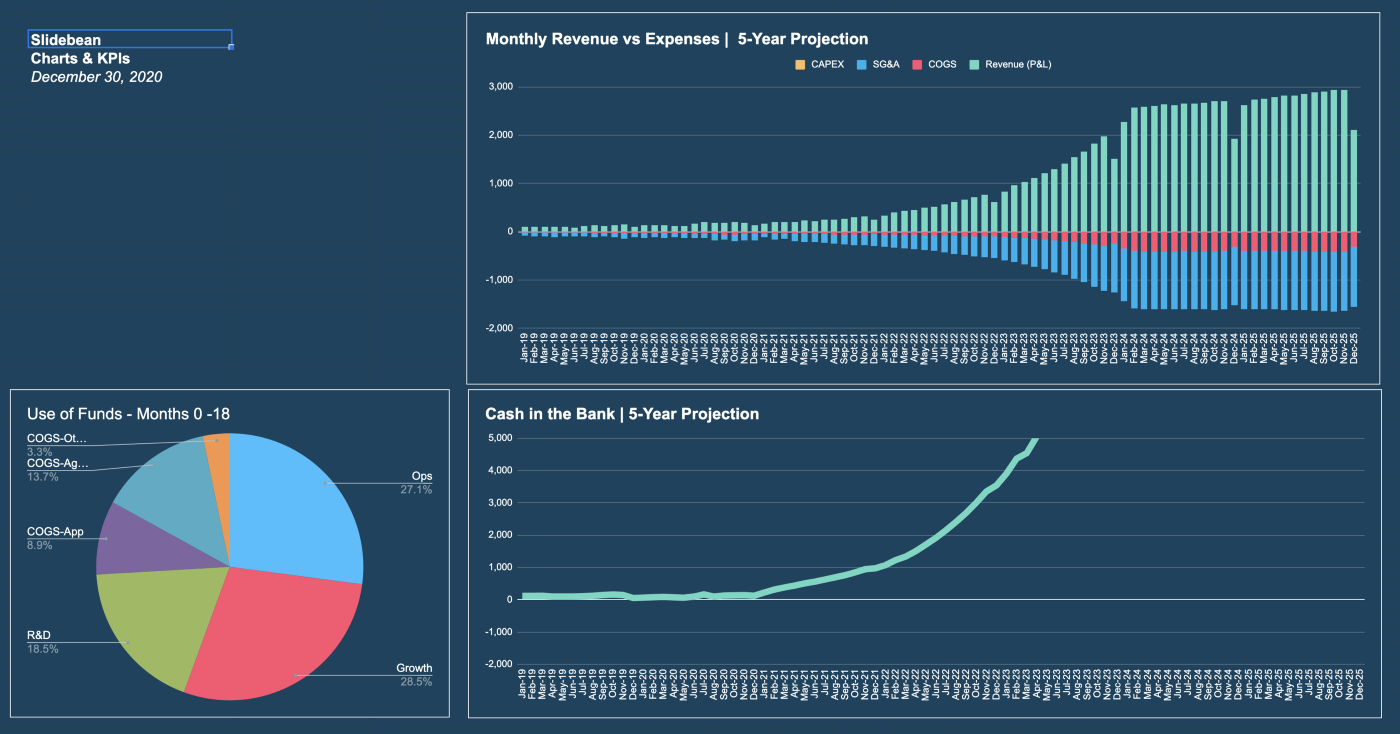
Startups and financial modeling
A financial model is a tool that allows you to predict the financial performance of your startup. Think of it as a projection tool. With a well-designed financial model, you can test different scenarios and see how they would impact your bottom line. For example, if you're considering a new marketing campaign, you can use your financial model to predict how that campaign will impact your revenue and profits. You can also use your economic model to evaluate different investment options or forecast your company's growth trajectory. In short, a financial model is an essential tool for all startups. It helps you make informed decisions about the future of your business.How should you Build a Financial Model for a Startup?
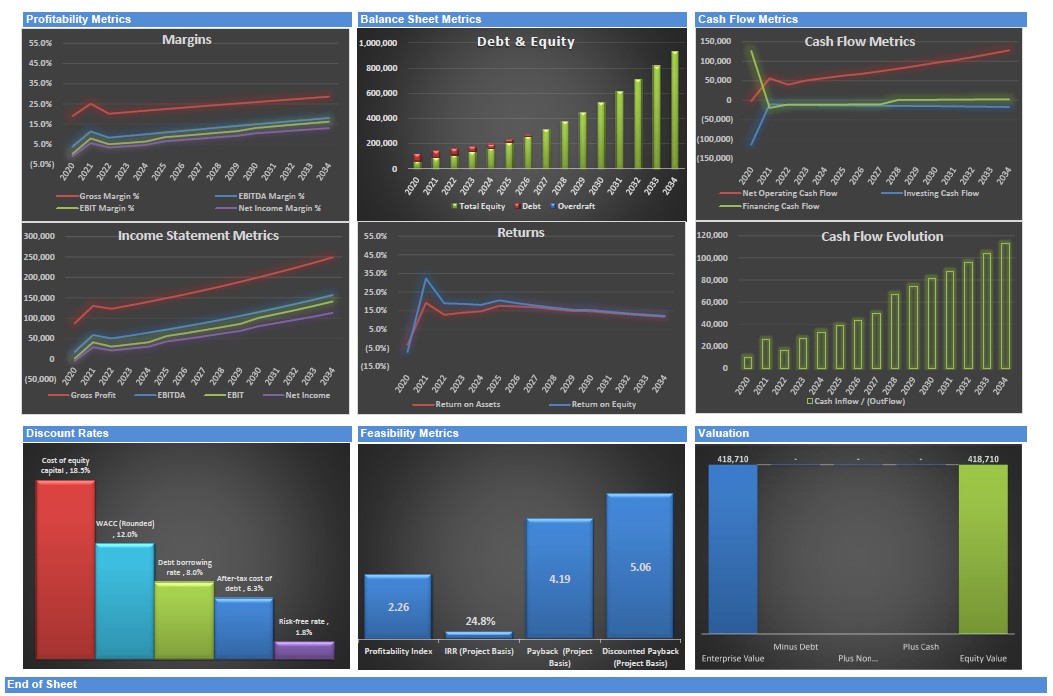
Financial model
Building a financial model for your startup is a critical step in the early stages of your business. It will help you understand your company's financial situation and make smarter business decisions. There are a few key steps you need to take to build a financial model for your startup: 1. Assess your current situation. 2. Forecast future sales and expenses. 3. Calculate your startup costs. 4. Assess your fundraising goals and how much money you'll need to reach them. 5. Create a timeline for your financial projections. 6. Make assumptions and use realistic numbers. 7. Present your findings clearly and concisely. The essential part of creating a financial model is ensuring that all your numbers are accurate and realistic. Use historical data whenever possible, and update your model as your business changes. There are many different approaches to financial modeling for startups. The most important thing is to find the best system for your company and your particular situation. One approach is to build a model that projects your company's financials for the next five years. This can be a valuable exercise to get an idea of where your company is headed and ensure that your financials are on track. Another approach is to build a model that only projects your financials for the following year. It could also be helpful if you're trying to raise capital, as investors will want to see a detailed plan for how you intend to use their money. Whatever approach you choose, the important thing is to be thoughtful and strategic about your financial modeling. By taking the time to build a robust model, you can give your startup the best chance for a successful time ahead.Critical Components of a Startup Financial Model

Components of a Startup Financial Model
A financial model is an illustration of a business's financials. It includes all the revenue and expense streams and the various assumptions that went into the forecast. When building a financial model for your startup, there are three key components you'll want to include: 1. The Income Statement: This shows how much your company is making (or losing) monthly or yearly. 2. The Balance Sheet: This shows your company's assets, liabilities, and equity at a specific time. 3. The Cash Flow Statement: This shows how your company manages its cash flow on a monthly or yearly basis.Financial modeling for startups - Top-down forecasting
Top-down forecasting
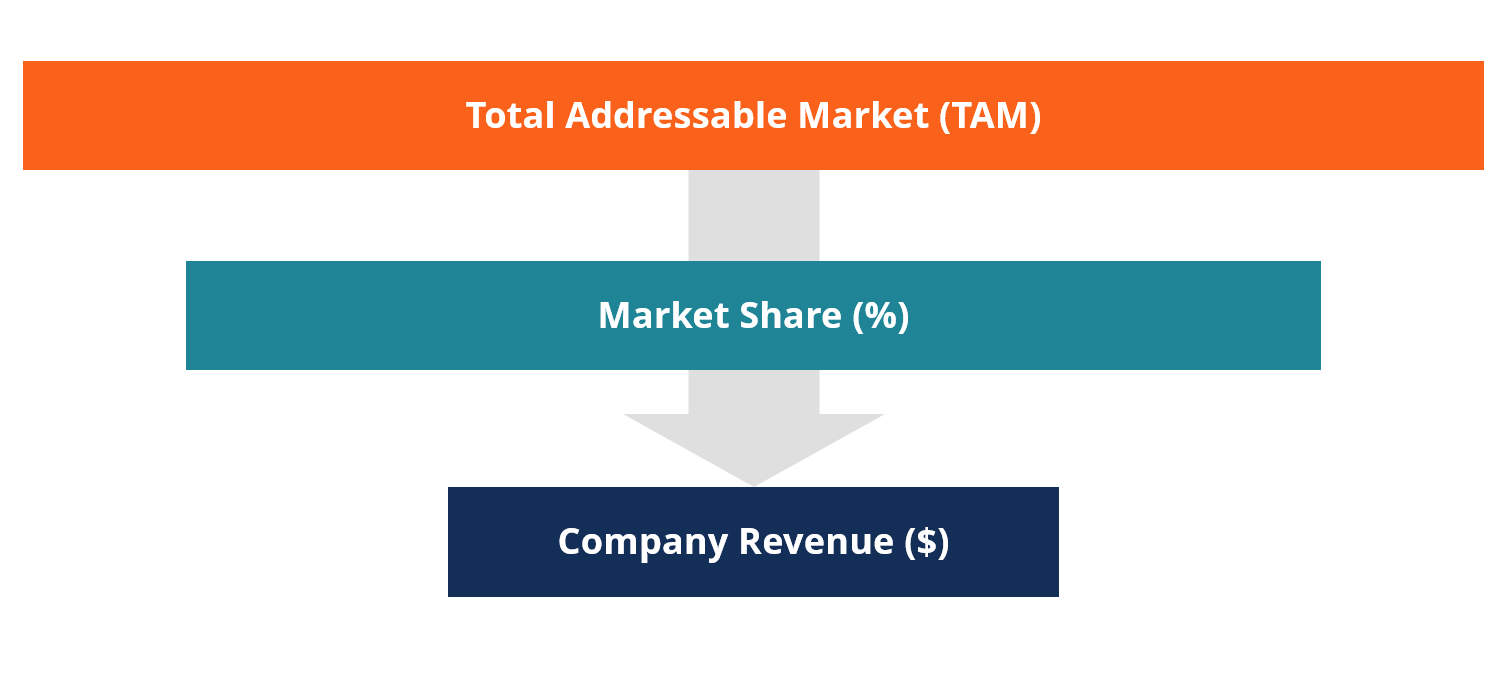
As a startup, one of the most important things you can do is create a financial model. This will help you forecast your company's financial performance and better decide where to allocate your resources. Startups need to generate revenues to be sustainable, and one way of achieving this is through economic modeling. Top-down forecasting is a type of financial modeling that can estimate future revenue by starting with a large, overall number and then breaking it down into smaller pieces. This approach can be helpful for startups because it can help them generate realistic revenue projections. However, it is essential to remember that top-down forecasting is only one type of financial modeling and that other approaches may also be helpful. There are many ways to approach financial modeling, but top-down forecasting is the most popular one. This method starts with high-level assumptions and then uses them to estimate lower-level details. Top-down forecasting is a great way to start with financial modeling and can be used to generate projections for your startup quickly. However, it's essential to remember that these projections are only guesses, and they may not always be accurate. Nonetheless, a top-down forecast can give you a good starting point for understanding your startup's financial performance.Bottom-up forecasting financial modeling for startups
Bottom up forecasting
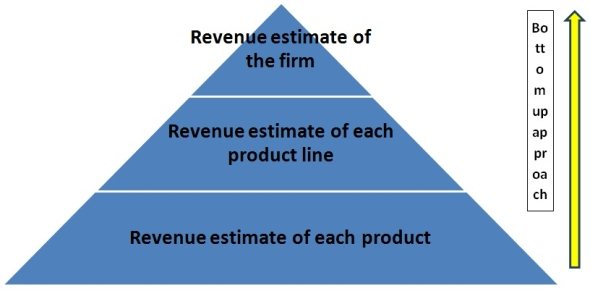
Forecasting is essential to any business, but it can be especially tricky for startups. This is because startups typically have limited data, making it challenging to create accurate forecasts. One way to overcome this challenge is to use bottom-up forecasting. This type of financial modeling uses bottom-up techniques to generate forecasts. This means that instead of using historical data, bottom-up forecasting uses information about the individual components that make up the whole. For example, if you were forecasting the sales of a new product, you would start by estimating the number of units sold in each market. Then, you would add up all of the market totals to get your final forecast. Bottom-up forecasting is a great way to create accurate forecasts for startups because it doesn't rely on historical data. Bottom-up forecasting is a process in which a company starts with the individual components that make up its business and then aggregates these components to predict future sales. Startups often use this method because it allows them to make forecasts based on their specific business data. There are a few steps to bottom-up forecasting: 1. Collect data on the individual components that make up your business. This data can include information on your customers, products, and markets. 2. Aggregate this data to create a forecast for your business. 3. Test and refine your forecast as needed.Define Your Business Goals and Choose the Right Financial Model

Business goals
Defining your business goals is essential in choosing a suitable financial model. There are a few different economic models, but each one is tailored to a specific purpose. For example, the cash flow statement tracks a company's income and expenses over a specific period. This is ideal for businesses looking to measure their current financial status and make projections for the future. Conversely, the balance sheet is used to track a company's assets, liabilities, and equity at a specific time. This is ideal for businesses looking to get a snapshot of their current financial standing. Choose a suitable financial model based on your specific needs and goals. If you're unsure which one is right for you, consult a financial expert for guidance.Understand Your Assumptions And Ensure That Your Model Is User-Friendly.

business assumption
When building your financial model, you'll need to make several assumptions. This includes beliefs about your future sales, expenses, and profit margins. It's essential to make your model as user-friendly as possible, especially if you'll be sharing it with others. Break down your assumptions into clear and concise categories, and be sure to label everything, so it's easy to follow. Suppose you're unsure how to make a specific assumption, research and find relevant information that will help you make an informed decision. The more accurate your beliefs, the more reliable your financial model will be.