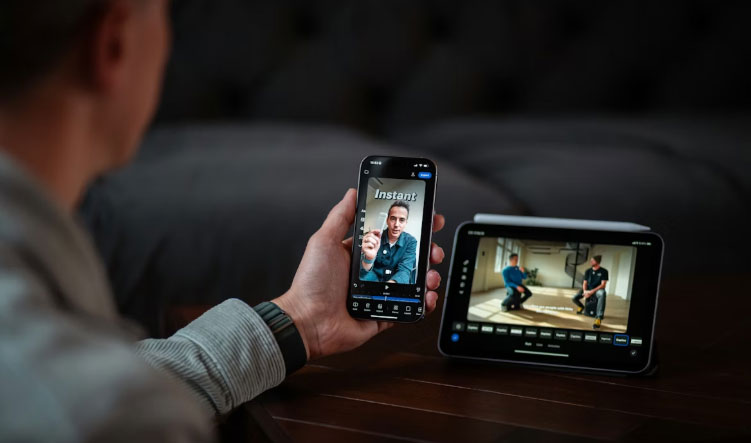
Video is eating the internet. By 2025, video traffic was expected to make up more than 82% of all consumer internet activity worldwide. That number sounds made up, but it isn’t. And yet, somehow, a staggering number of creators still upload their content and just wait. No strategy, no structure, no video SEO. Just vibes and hope.
But they need optimization. Optimizing video for search isn’t some arcane discipline: with a handful of technical moves you can make a real difference. Here’s what actually works.
Do the Research Before You Even Hit Record
Most people approach SEO as an afterthought. Something you put on after the video is finished, like a label on a jar. That’s backwards, and it costs creators real visibility.
Search engine positioning for video starts in pre-production. What you decide to talk about, how you frame it, what you name it – all of that shapes discoverability before a single frame gets rendered.
Title and Keywords: The Foundation
Run a keyword analysis before you write a single line of script. Seriously, before. Tools like TubeBuddy or even basic Google autocomplete will tell you what real users are typing into search boxes, which is often very different from what producers expect. A lot of fantastic material dies in the gap between “what I think my audience wants” and “what my audience is actually searching”.
A title generator helps you take those keywords and turn them into something a human would actually click on. That balance “search-friendly and compelling” is harder than it looks. Titles that read like keyword lists get ignored. Titles that ignore keywords don’t get found. There’s a middle ground, and it’s worth spending time there.
Structure your video. Logical chapters, a clear arc, tight pacing. Why does this matter for SEO? Because watch time is a ranking signal, on YouTube especially, but increasingly elsewhere too. A video that holds viewers’ attention for 80% of its length conveys a vastly different message than one that ends at the two-minute mark. Many creators start editing early in their workflow—using tools like Movavi Video Editor, which lets you trim clips, add captions, and organize chapters—so the structure feels intentional from the beginning.
The Technical Side Nobody Talks About Enough
Search engines cannot view your video. They can crawl information, scan captions, interpret structured data, and analyze engagement signals. So, although it may not be the most attractive aspect, the technical layer is quite important.
File format is one of those things that seems insignificant until it isn’t. A video converter allows you to export in fast-loading formats such as H.264/MP4, which improves site performance and thus SEO. A slow-loading video on a slow-loading site is almost undetectable to search engines: visitors bounce, dwell time decreases, and rankings fall. It cascades.
If you need to split a video into smaller parts, tools like this can help break a single recording into smaller, keyword-targeted segments. Each piece becomes its own optimized asset with its own title, its own description, its own shot at ranking.
Captions Are Important
Auto-captions have gotten better. But accurate, human-reviewed captions are still the standard to aim for.
Google indexes captions. That means everything spoken in the video becomes searchable text. Every time your speaker says “best video editing software for beginners” or “how to do content creation on a budget,” those phrases get indexed. Your spoken content is basically free keyword-optimized copy, if you transcribe it properly. Skipping captions is leaving visibility on the table.
Context Is Everything
Upload a video. Optimize the metadata. Call it done. That’s where most people stop, and it’s also where most people plateau. SEO video marketing isn’t just about the video, it’s about what surrounds it.
Every video deserves a home: a landing page, a blog post, something with text around it. A written summary, a transcript, relevant internal links. Search engines read the surrounding content alongside the video itself. The page context reinforces the video’s topic. A video about video maker tools embedded in a post that discusses video maker tools is going to rank better than the same video floating alone on a sparse page.
Use IntroMaker to nail the first few seconds with a branded, polished hook. Viewer retention drops sharply in the opening moments – a strong intro keeps people watching, and watch time, as mentioned, feeds directly back into ranking. It’s a loop. Tend to it.
Off-Page SEO: The Strategy That Feels Like Extra Work
Off-page SEO for video – backlinks, embeds, shares, mentions – is what separates content that ranks from content that just exists. When a third-party site embeds your video or links to your page, that’s a trust signal. Search algorithms treat it as a vote. And votes add up.
Guest articles, community posts, reaching out to newsletters in your niche – none of it is glamorous, but all of it compounds. If you’re publishing consistently, the growth of your online presence effect kicks in gradually and then, somewhat suddenly.
Distribution
YouTube is the second-largest search engine on the planet. That sentence has been true for years and it still surprises people. But treating it as the only destination for video is shortsighted. TikTok, Instagram Reels, LinkedIn, even Pinterest – each has its own search dynamics, its own algorithm, its own version of search engine positioning.
The tactics differ by platform, which is important to understand. YouTube rewards chapters, detailed descriptions, end screens. TikTok rewards hooks in the first two seconds, tight editing, trending audio. Same creator, different formats, different signals.
Repurposing is the move here. A 12-minute YouTube video can be turned into three Reels, four TikToks, and a LinkedIn post with a video. A solid video maker workflow makes this less painful than it sounds, especially if your editing process is already streamlined. If you want to scale this consistently, you need systems in place to create videos efficiently without losing quality or intent.
Saving reference videos for analysis, archiving your own published content, studying what’s already ranking well in your niche. Understanding what works is part of understanding what to make next.
Watch the Right Numbers
Views are vanity. Watch time, retention rate, click-through rate – those are the metrics that tell you something real.
A video with 800 views and 74% average view duration is doing better, algorithmically speaking, than a video with 9,000 views and 12% retention. The latter might look impressive in a screenshot. In practice, it’s telling the algorithm that people came, got bored, and left. Not great.
Video SEO services and platform algorithms both respond to engagement quality over raw numbers. Build content that holds attention – that’s the actual job. Track retention curves. Notice where viewers drop off. Fix those moments in the next video.
At this stage, content development follows a feedback loop: publish, measure, tweak, and repeat. It is less thrilling than “going viral”, but it is much more dependable. If you pay attention to the signs, things begin to pile in ways that seem almost unjust.
The algorithm isn’t against you. It just doesn’t care about effort. It cares about results. Start producing them, and it tends to notice.
About the author:
We are link building and SEO optimization pros. With our team, you will get a high-quality service and the most efficient results. Your website should attract traffic, leads, and conversions, and we’ll make it happen.